
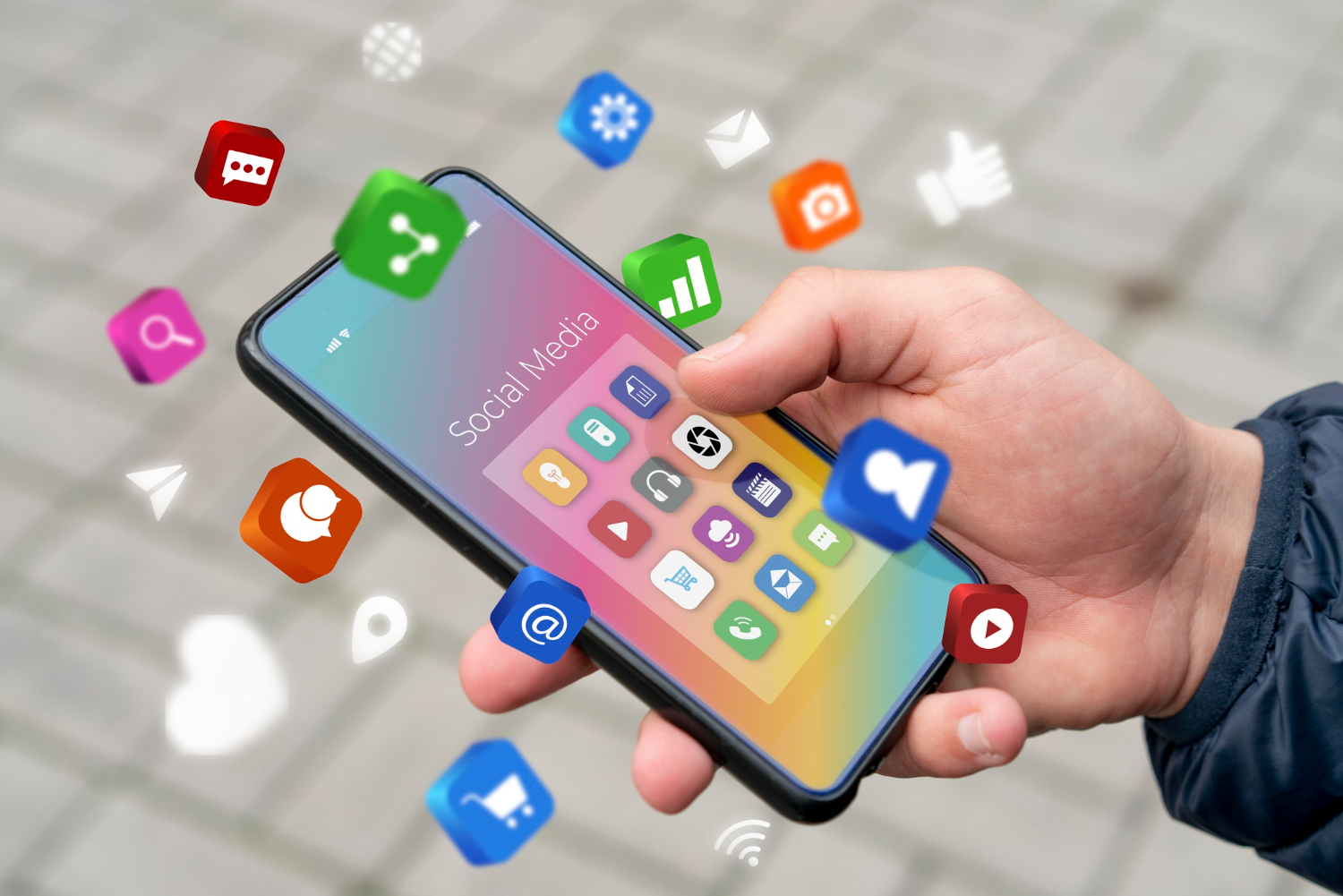
Social media has become one of the most influential channels for businesses to connect with their audience. With billions of users across platforms like Facebook, Instagram, Twitter, LinkedIn, and TikTok, brands are constantly seeking ways to stand out, stay relevant, and achieve measurable results. In this fast-paced digital environment, Artificial Intelligence (AI) is emerging as a game-changer—enhancing social media marketing through automation, personalization, and data-driven insights.
What is AI in Social Media Marketing?
Artificial Intelligence (AI) involves the use of machines that mimic human intelligence, capable of learning, adapting, and making decisions. When applied to Social Media Marketing, AI helps analyze large volumes of user data to identify patterns in behavior, preferences, and engagement. It automates repetitive tasks, generates personalized content, and fine-tunes advertising campaigns. By doing so, AI empowers marketers to enhance efficiency, make informed decisions, and create more impactful customer experiences.
Benefits of AI in Social Media Marketing
1. Content Creation and Curation
AI-powered tools can help marketers generate social media posts, captions, hashtags, and even entire blogs. Platforms like ChatGPT or Jasper AI assist in creating engaging and grammatically correct content tailored to a specific audience. AI can also curate content by analyzing what topics resonate with users and suggesting articles, videos, or user-generated content that’s most likely to drive engagement.
2. Advanced Audience Targeting
Understanding your audience is crucial in social media marketing. AI can process vast datasets to identify user demographics, interests, and online behavior. This enables precise audience segmentation for paid campaigns, ensuring your content reaches the right people at the right time. With AI, you no longer have to guess—data-backed targeting increases the chances of conversions and minimizes ad spend wastage.
3. Predictive Analytics
Predictive analytics powered by AI help marketers forecast future outcomes based on past data. For example, AI can predict the best time to post, expected engagement levels, or which type of content will go viral. This allows brands to be proactive rather than reactive, aligning content strategies with anticipated trends and user behavior.
4. Chatbots and Automated Responses
Chatbots are among the most prominent uses of AI. These intelligent assistants engage users in real-time, answer queries, guide them through a purchase process, or provide support—24/7. Chatbots on Facebook Messenger, WhatsApp, or websites powered by AI like Dialogflow or ManyChat significantly enhance customer service without requiring human intervention.
5. Social Listening and Sentiment Analysis
AI-powered social listening tools monitor conversations across platforms, allowing brands to track mentions, hashtags, and industry trends.Sentiment analysis delves deeper by discerning the emotions behind user comments—identifying them as positive, negative, or neutral. This insight helps businesses adjust their messaging, handle crises promptly, and stay connected with their audience’s feelings.
6. Influencer Marketing Optimization
AI tools like Upfluence or Influencity can evaluate an influencer’s authenticity, audience quality, engagement rate, and alignment with brand values. This ensures brands collaborate with influencers who offer genuine impact rather than inflated numbers, leading to higher ROI from influencer marketing campaigns.
7. Performance Optimization and A/B Testing
AI algorithms can automatically test different versions of ad creatives, captions, or CTAs (Call to Actions) to see which performs best. This automated A/B testing saves time and ensures your campaigns are continuously optimized for better results. Additionally, AI can adjust ad spending in real-time based on performance, making budgets more effective.
Real-World Examples
- Netflix uses AI to personalize the content shown on users’ social feeds based on what they’ve watched or liked.
- Sephora employs AI chatbots on Facebook to help users find products based on preferences and skin types.
- Hootsuite Insights, powered by Brandwatch, enables social media managers to track real-time trends and sentiment for better campaign adjustments.
These examples show how AI helps brands not only save time but also deliver more relevant, timely, and impactful content.
Challenges of AI in Social Media Marketing
Despite its numerous benefits, using AI also comes with challenges:
- Privacy Concerns: AI systems rely heavily on user data. Marketers must ensure compliance with data protection regulations like GDPR.
- Over-Automation: While automation is beneficial, too much of it can make content feel impersonal or robotic.
- Bias in AI Models: If AI systems are trained on biased data, they might produce skewed results. Monitoring and adjusting algorithms is essential.
- Cost of Implementation: Advanced AI tools can be costly, making it difficult for small businesses to adopt them at scale.
The Future of AI in Social Media Marketing
AI is still evolving, and its impact on social media marketing will only grow. With the increasing sophistication of machine learning models, marketers can anticipate:
- Hyper-personalized content feeds
- Voice and visual search-based marketing
- Deeper emotional AI for real-time sentiment adjustments
- AI-driven storytelling through dynamic video content
The future is not about replacing human creativity but enhancing it with AI-powered insights and efficiency.
Conclusion
AI is no longer a futuristic concept—it’s a powerful reality shaping how brands approach social media marketing today. From content creation to predictive analytics and audience targeting, AI tools make campaigns smarter, more personalized, and results-driven.
For companies aiming to remain competitive, the adoption of AI is no longer merely an option; it is increasingly essential. With the right strategy and tools in place, marketers can harness AI to deliver smarter campaigns and better results—transforming the way they connect, engage, and convert on social media.
Leave a Reply