
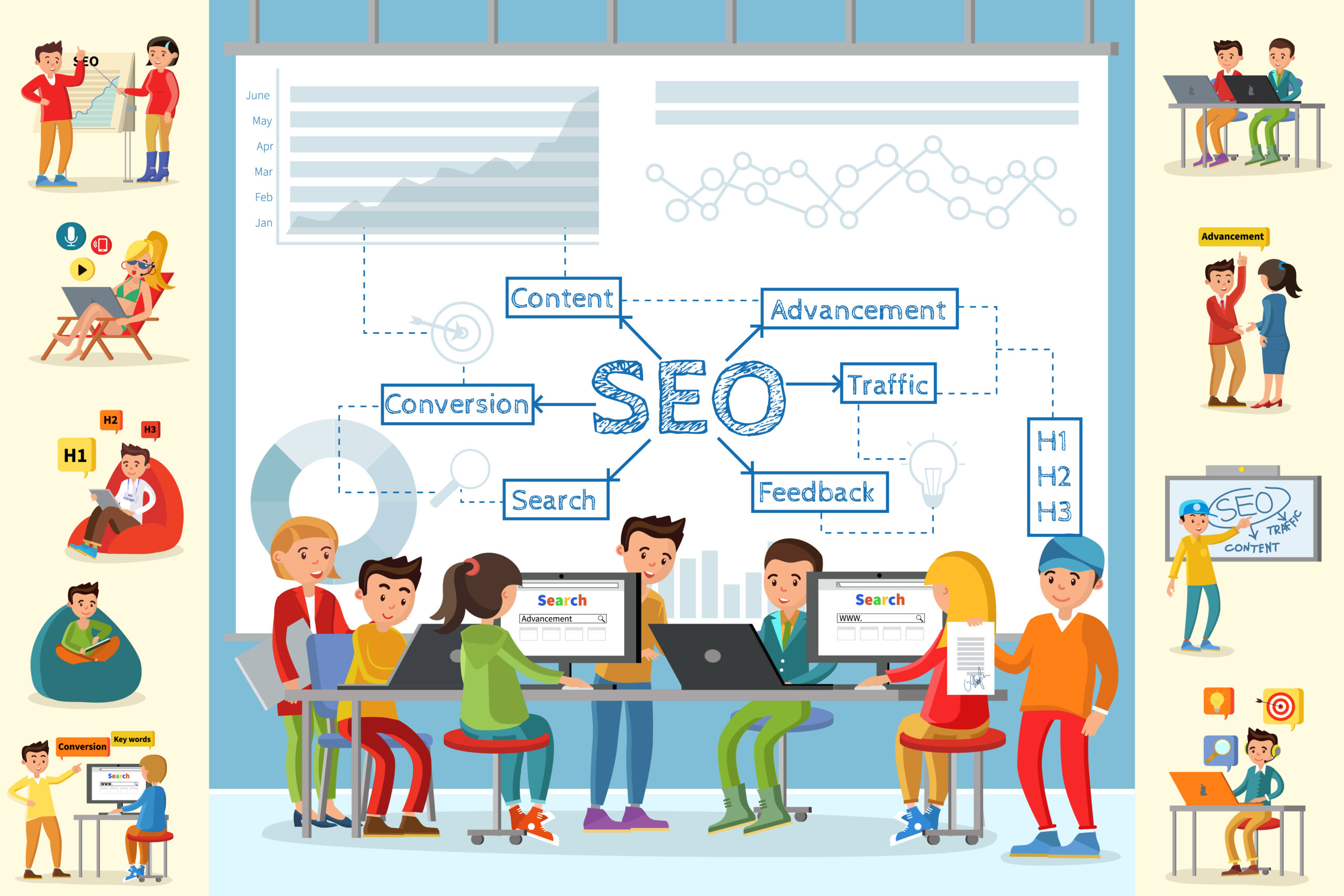
On page SEO is one of the most important parts of a successful search engine optimization strategy. It focuses on optimizing individual web pages so search engines can understand their content and users can easily find useful information. From keyword placement and headings to internal links and content quality, effective on page SEO techniques can improve website visibility, attract relevant visitors, and support higher search rankings. Businesses that consistently optimize their pages can create a stronger foundation for long term organic growth.
Optimize Page Titles
The page title is one of the first elements search engines and users see when evaluating a webpage. A clear and relevant title helps communicate the main topic of the page. Businesses should include the primary keyword naturally while keeping the title descriptive and engaging. Avoiding unnecessary keyword repetition is important because titles should be written primarily for users. A well optimized title can also encourage more people to click on a webpage when it appears in search results.
Create Compelling Meta Descriptions
Meta descriptions provide a short summary of webpage content and can influence whether users decide to visit a page from search results. Although they are not a direct ranking factor, an informative and attractive description can improve click through rates. A strong meta description should naturally include relevant keywords, explain the value of the page, and encourage users to learn more. Each important webpage should have a unique description that accurately represents its content.
Use Keywords Naturally
Keyword optimization remains an important part of on page SEO. Before creating content, businesses should identify terms their target audience is likely to use when searching for products, services, or information. Primary and related keywords can then be incorporated naturally into headings, paragraphs, image descriptions, and other relevant areas. However, excessive keyword usage can make content difficult to read and may negatively affect the user experience. The goal should always be relevance and usefulness rather than keyword density.
Structure Content With Headings
Proper headings make webpages easier to understand for both visitors and search engines. The main page topic should generally be represented by an H1 heading, while H2 and H3 headings can organize supporting sections. A logical heading structure allows readers to scan content quickly and understand how different topics are connected. Including relevant keywords in headings where appropriate can also provide additional context about the page without making the content appear forced.
Publish High Quality Content
Quality content is at the center of effective on page SEO. Search engines aim to provide users with helpful and relevant results, so webpages should answer questions, solve problems, and provide meaningful information. Content should be original, accurate, easy to read, and aligned with search intent. Businesses should regularly review existing pages and update outdated information. Providing comprehensive answers can increase engagement and help establish a website as a useful resource within its industry.
Improve Internal Linking
Internal links connect one page of a website to another. They help visitors discover related information while also helping search engines understand the structure and relationship between different pages. Businesses can use descriptive anchor text to link relevant blog posts, service pages, product pages, and other important resources. A well planned internal linking strategy can distribute authority throughout a website and make important pages easier for search engines to discover.
Optimize Images
Images can improve the visual quality of webpages, but they should also be optimized for search and performance. Descriptive file names and useful alt text can help search engines understand image content. Compressing images and using suitable formats can reduce page loading times, which contributes to a better user experience. Businesses should ensure that images support the content rather than unnecessarily slowing down the website.
Improve Page Speed and Mobile Experience
Website performance is an important consideration for both users and search engines. Slow pages can lead visitors to leave before the content loads, while a poor mobile experience can make navigation difficult. Businesses should optimize images, reduce unnecessary scripts, use efficient hosting, and ensure pages work properly across different screen sizes. A fast, responsive website provides a better experience and supports overall SEO performance.
Use SEO Friendly URLs
Simple and descriptive URLs make webpages easier for users and search engines to understand. URLs should clearly communicate the subject of a page and avoid unnecessary numbers, symbols, or complicated structures. Including a relevant keyword in the URL can provide additional context. Consistent URL structures can also make website navigation and organization easier to manage.
Conclusion
On page SEO techniques provide a strong foundation for improving search visibility and attracting relevant organic traffic. Optimizing titles, meta descriptions, keywords, headings, content, internal links, images, URLs, and website performance can make webpages more useful and easier for search engines to understand. When these techniques are applied consistently alongside a broader SEO strategy, businesses can improve user experience, increase organic visibility, and create sustainable opportunities for online growth.
Leave a Reply